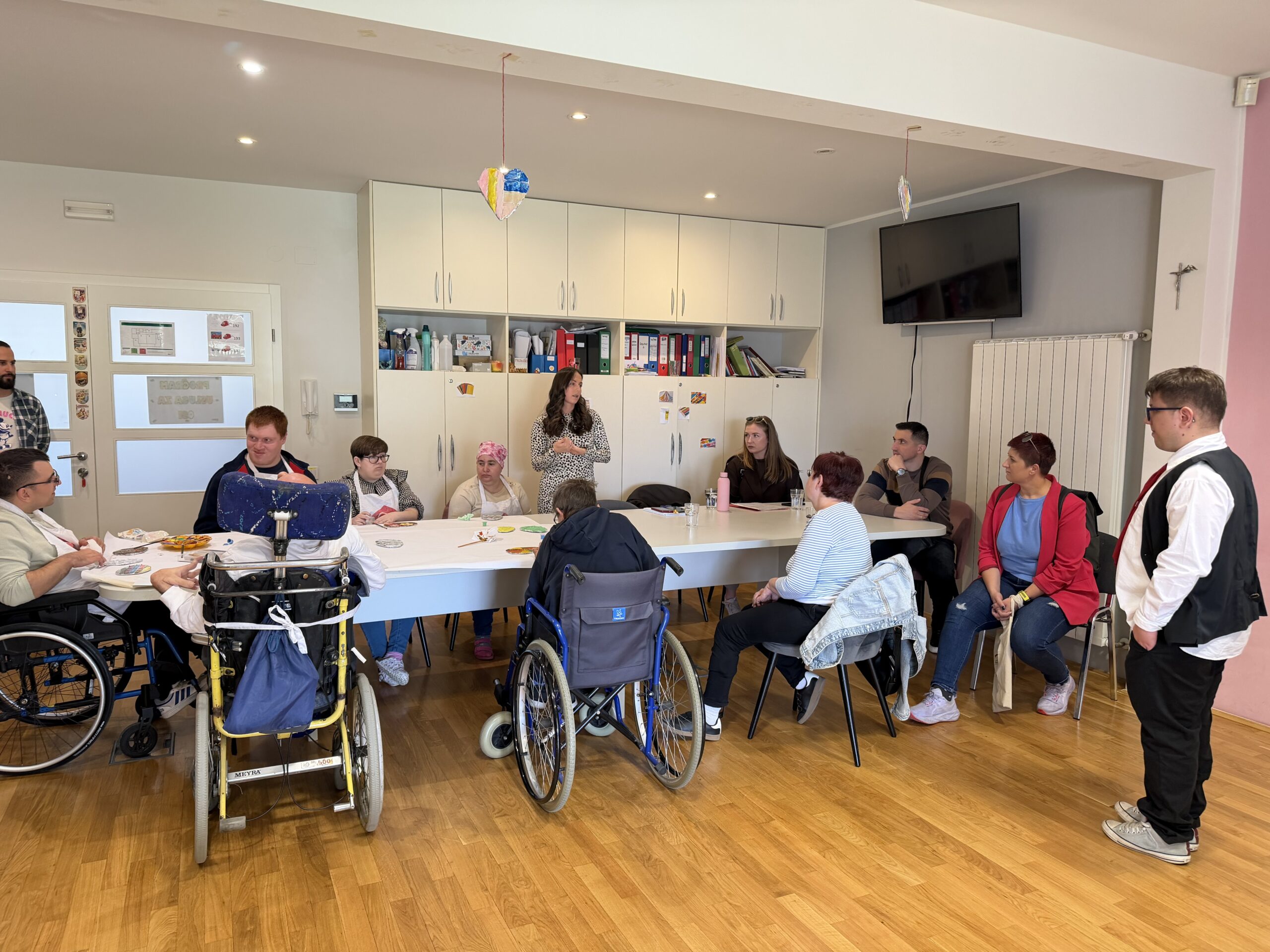
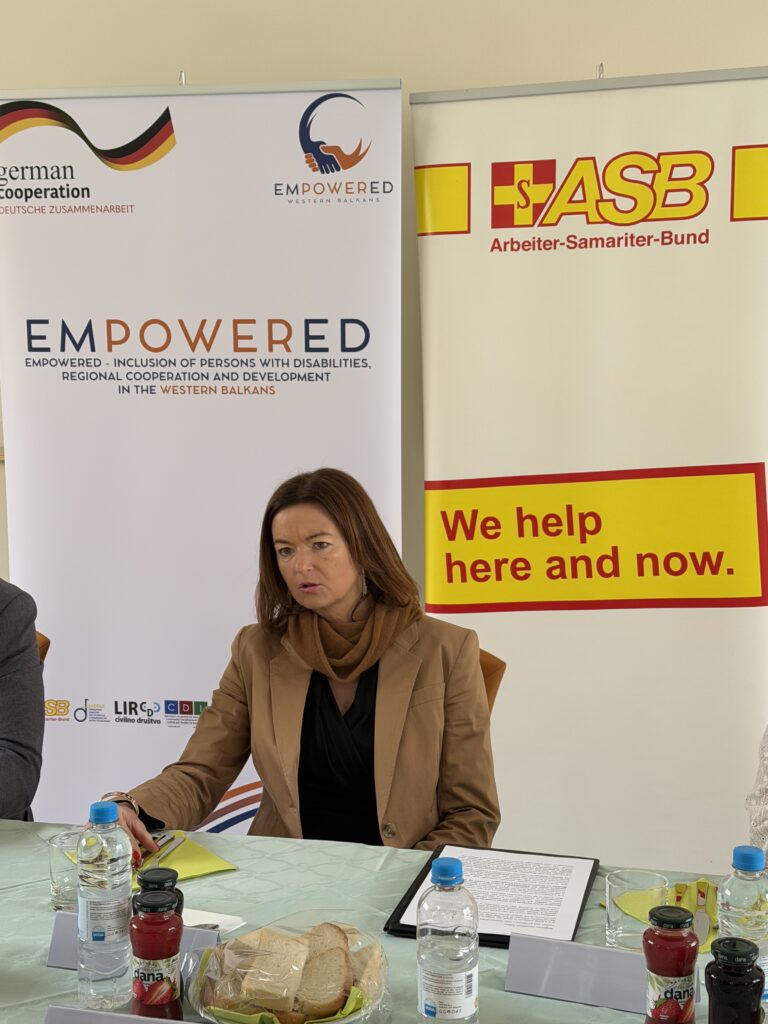
Mrs. Tanja Fajon, Deputy Prime Minister and Minister of Foreign and European Affairs of the Republic of Slovenia addressed participants of the EMPOWERED Study Visit Croatia–Slovenia 2026 at the University Rehabilitation Institute Soča in Ljubljana, where she emphasized the importance of regional cooperation, inclusion, and equal opportunities for persons with disabilities. In her inspiring speech, she highlighted the role of joint efforts between institutions, civil society, and international partners in building more inclusive societies, while expressing strong support for initiatives that contribute to the empowerment of the most vulnerable across the Western Balkans.
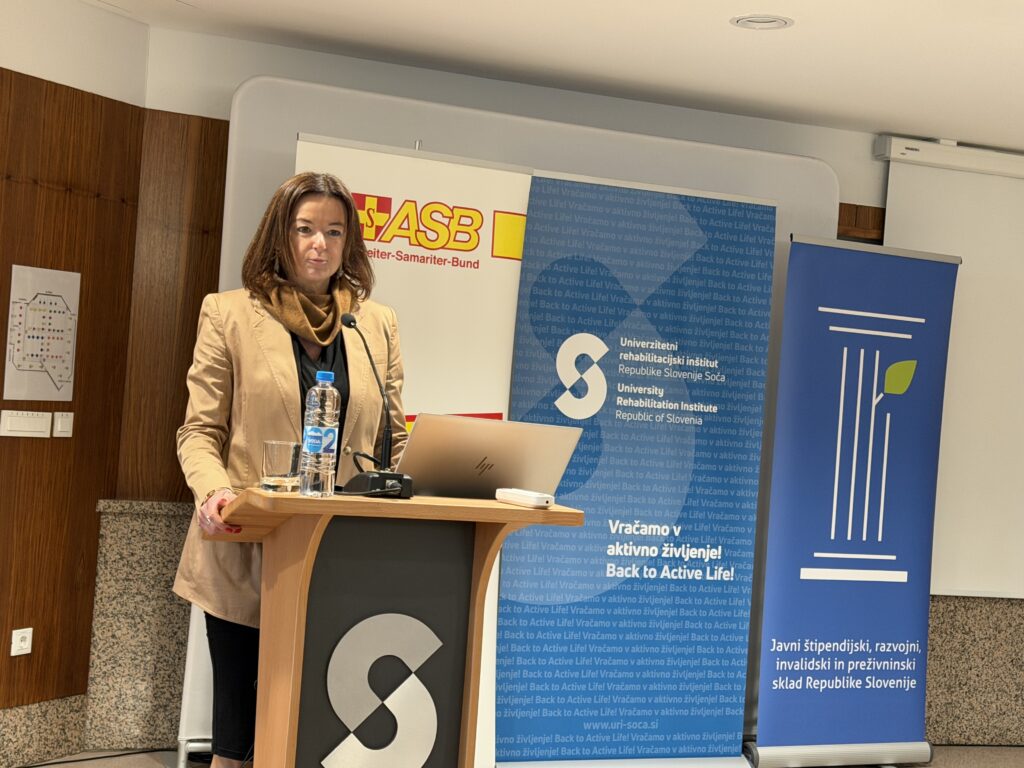
It is a pleasure to have you here with us, and to meet some new faces, as well as some familiar ones, as I have cooperated in the past with many of you in your countries across the Western Balkans. I would especially like to mention Soča.
Soča holds a special meaning for me, as my father was here many years ago, and it has left a lasting impression on me. I hope that, for you as well as for us, it represents a foundation of the system for the inclusion of persons with disabilities.
I am pleased to welcome you within the framework of the Empowered project, which reflects a shared commitment to strengthening inclusive systems and promoting equal opportunities for persons with disabilities. Your presence here today is a strong signal that inclusion and inclusiveness—at the regional and European levels—are a priority. Slovenia firmly believes that social inclusion and equal access to the labor market are fundamental human rights.
Employment provides dignity, independence, and full participation in society. For persons with disabilities, access to decent work is one of the most important paths to empowerment. I speak from personal experience, as my father spent ten years in a wheelchair, and I am aware of how much Slovenia has achieved over the past twenty years in improving the position of persons with disabilities—while still recognizing that there is room for further progress.
I am also pleased to join today an initiative that speaks about the foundations of dignity, solidarity in our society, and ultimately about the core values of the European Union. Given the importance of regional cooperation and the protection of human rights, I welcome this ASB initiative within the Empowered project, funded by the German Federal Ministry for Economic Cooperation and Development. This program is a key and excellent example of concrete measures that promote the inclusion of persons with disabilities.
Today, we also reaffirm our shared commitment to ensuring that persons with disabilities are fully included in social, economic, and civic life, and to strengthening cooperation across the Western Balkans so that this commitment becomes a reality. I am proud that Slovenian development cooperation in the Western Balkans focuses on empowering the most vulnerable groups.
For example, Slovenia has been supporting demining efforts in Bosnia and Herzegovina for decades. We provide concrete assistance to mine victims, including not only physical and psychosocial rehabilitation, but also socio-economic reintegration—through restoring their livelihoods, particularly in agriculture, and facilitating their inclusion in the community.
It is equally important to recognize that inclusion requires a comprehensive approach. During this visit, you have already become familiar, and will continue to learn about, a wide range of services that together form the backbone of sustainable inclusion.
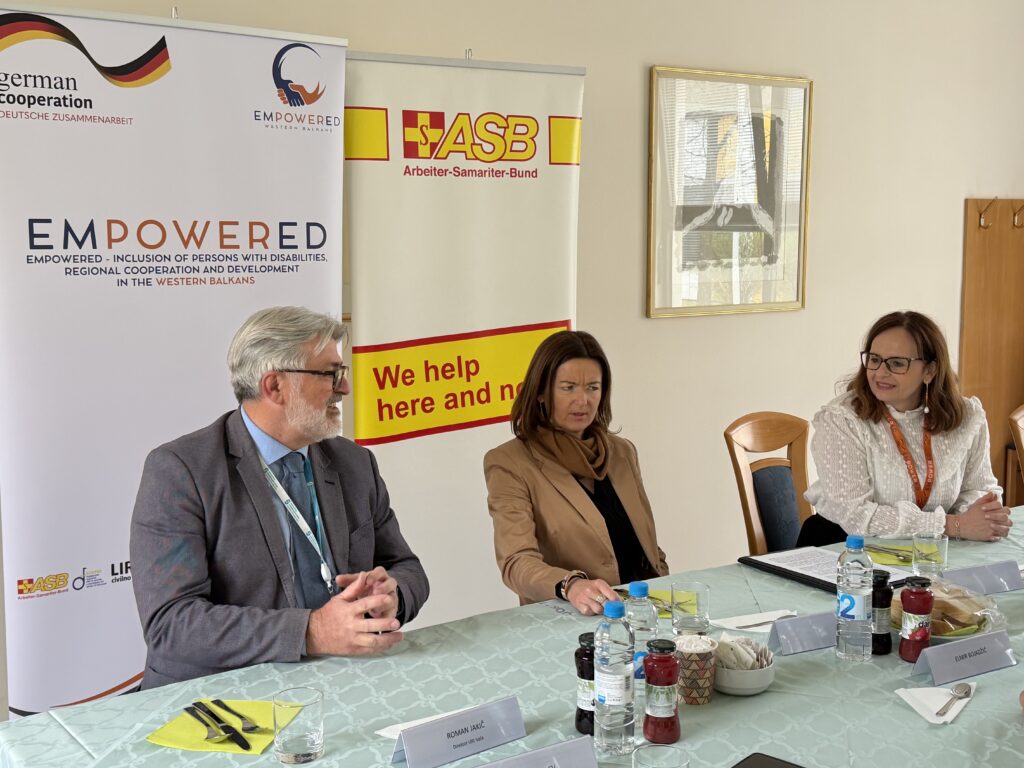
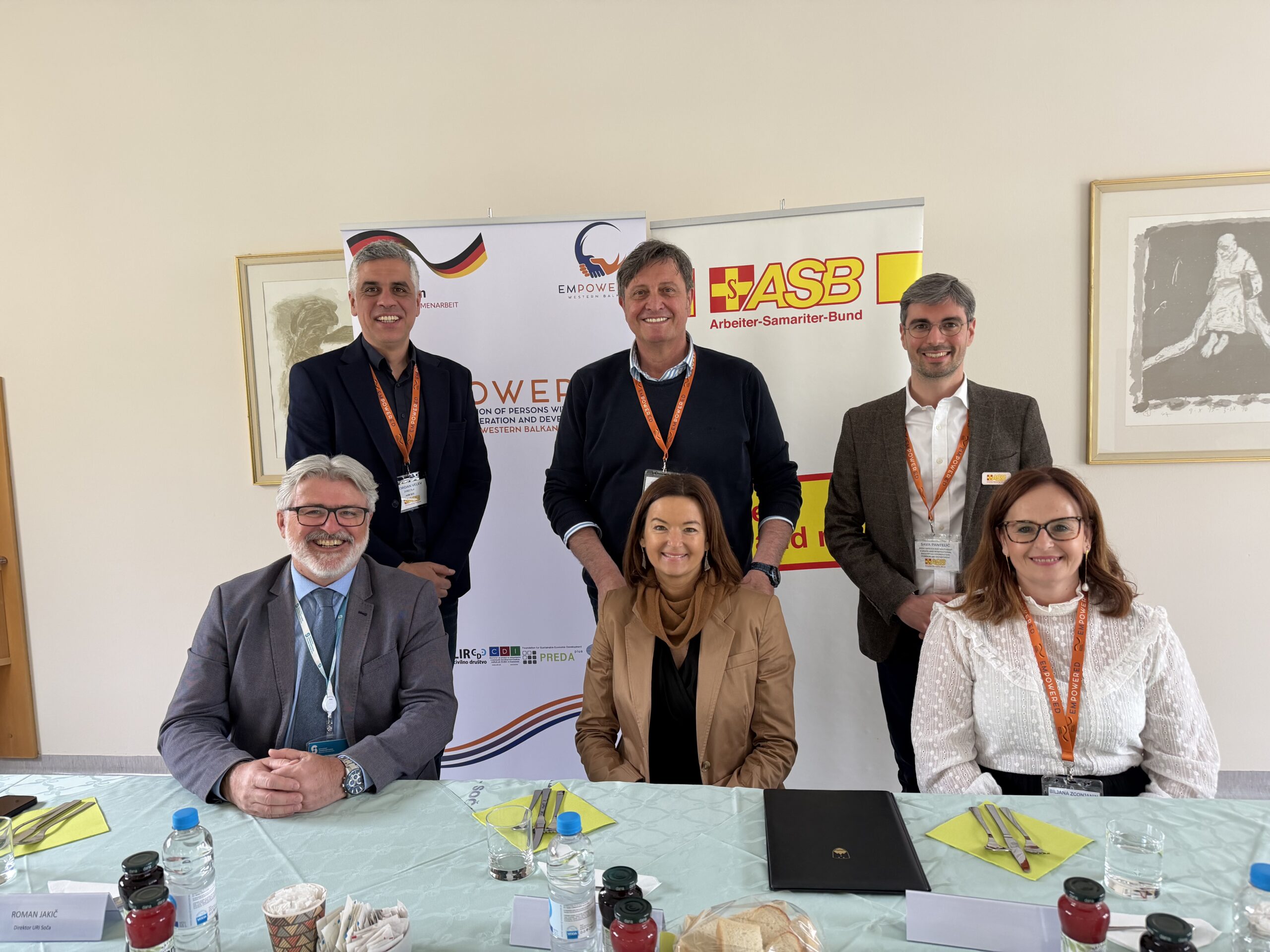
Through the project “United Against Domestic Violence,” funded by the Intesa Foundation, you are also supporting another crucial issue—protecting victims, strengthening shelters in Serbia, and ensuring safety and support. During your study visit in Slovenia, participants are learning about best practices in victim protection through cooperation with relevant organizations. You are exploring how shelters are organized and managed, how victims are empowered through educational programs, and identifying practical approaches that can be adapted in your home countries to further strengthen support services.
I also welcome concrete cooperation with the private sector, as partnerships like these provide essential resources and contribute to strengthening regional cooperation and progress toward European standards in the protection of victims of violence.
In conclusion, I would also like to express my gratitude to the ASB organization for its continuous regional presence. The work of this organization encourages inclusion and the protection of the most vulnerable, and we are stronger when we act together — when governments, civil society, international partners, and private companies truly align their efforts towards common goals.
Finally, once again, you are most welcome to Slovenia.
I hope you will leave with positive impressions, enriched with valuable experiences, and that we will continue to strengthen our cooperation in the future. There are many people in our societies who are among the most vulnerable and who truly need our support. Therefore, thank you for your care, your commitment, and your dedication — because it is this compassion that people need the most, both in difficult times and beyond.