Psychosocial support as an important step towards the empowerment and independence of persons with disabilities
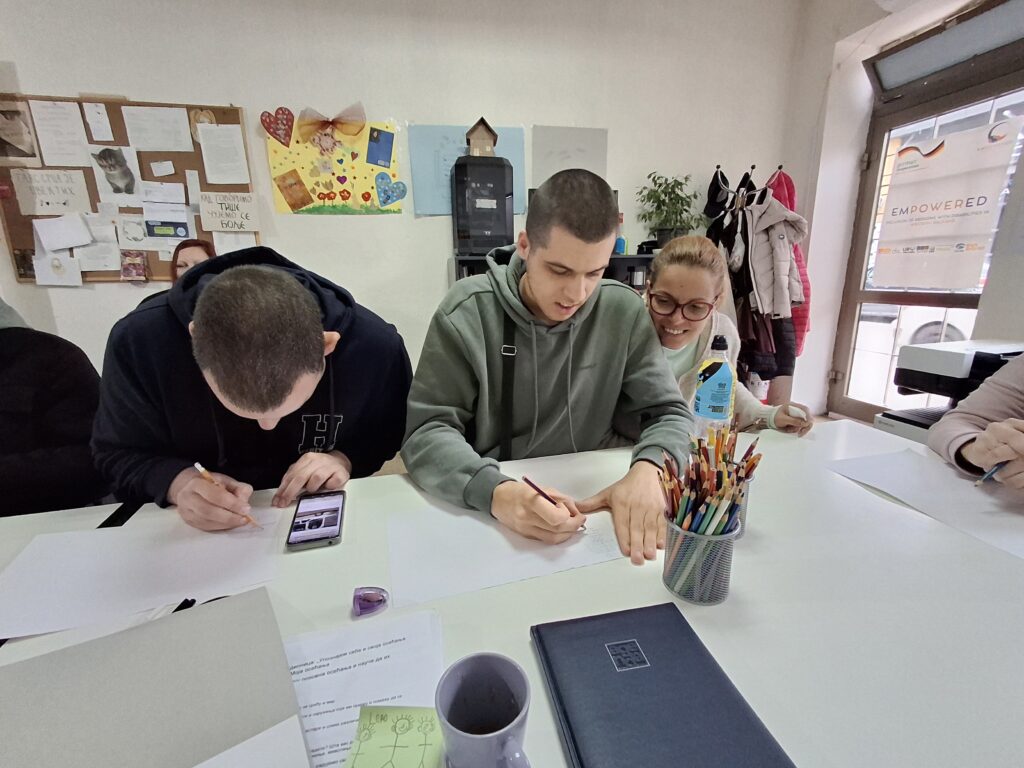
Psychosocial workshops organised within the regional EMPOWERED project represent an important component of comprehensive support for persons with disabilities across six Western Balkan countries. Their purpose goes beyond providing information and acquiring new knowledge. They aim to strengthen self-confidence, develop practical life skills, encourage independent decision-making, and promote more active participation in the social and economic life of local communities. The workshops cover a wide range of topics addressing the everyday needs and challenges faced by persons with disabilities. Particular attention is given to understanding and exercising individual rights, including rights related to social protection, healthcare, pension and disability insurance, as well as access to institutional support and available services. Participants also learn how to recognise discrimination and workplace harassment, understand protection mechanisms, and identify the institutions they can turn to for assistance. A significant part of the programme focuses on professional empowerment and preparation for the labour market. Through practical activities, participants learn how to prepare a CV and motivation letter, get ready for job interviews, present their abilities and skills, and better understand opportunities for vocational rehabilitation and employment support measures. These activities encourage participants to take a more active role in seeking employment, developing their professional potential, and recognising opportunities for greater economic independence. Equally important is the focus on mental health, emotional support, and building self-confidence. The workshops provide a safe and supportive environment where participants can share experiences, discuss challenges, develop communication skills, and strengthen their sense of self-worth and belonging to the community. Through activities such as “My Day, My Way”, “My Money, My Choices”, and “From an Idea to a Shared Meal”, participants also develop practical skills essential for greater independence in everyday life. They learn how to organise their time, manage personal finances, plan activities, make decisions, and cooperate with others. This approach connects newly acquired knowledge with real-life situations, encouraging independence, initiative, and active participation. One of the key strengths of these workshops is their approach, which recognises persons with disabilities as active decision-makers in their own lives rather than merely recipients of support. Instead of focusing primarily on barriers and limitations, the activities emphasise participants’ abilities, potential, interests, and individual goals. This approach can generate multiple positive outcomes. A better understanding of rights contributes to greater confidence when communicating with institutions and accessing available services. Developing professional and social skills improves readiness for labour market participation, while strengthening self-confidence and independence can encourage greater motivation, initiative, and involvement in community life. The workshops also create opportunities for participants to connect, exchange experiences, and build peer support networks, helping to reduce social isolation and strengthen their sense of belonging. The long-term objective of psychosocial support within the EMPOWERED project is to enable persons with disabilities to become better informed, more confident in their abilities, more independent in everyday life, and better equipped to actively advocate for their rights and interests. By combining access to information, practical learning, emotional support, and the development of life and professional skills, the project seeks to contribute to sustainable changes that extend beyond individual workshop sessions. At the same time, this model of support contributes to the broader objective of the EMPOWERED project: building more inclusive local communities where persons with disabilities have equal opportunities for education, employment, independent living, and full participation in society.