

Preventing violence against children and young people with disabilities
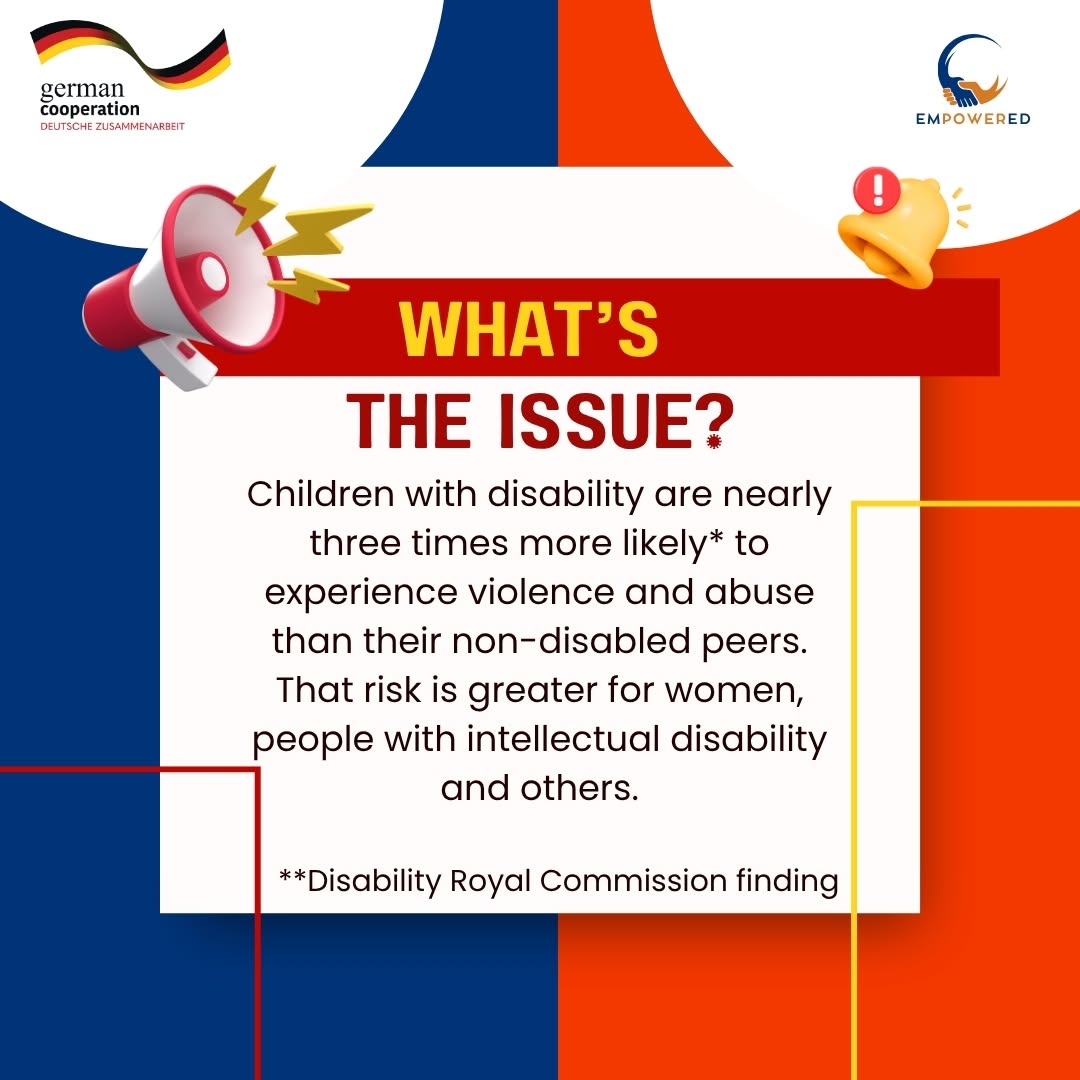
Children and young people with disabilities face a significantly increased risk of experiencing violence, abuse, neglect and exploitation compared to their peers without disabilities. This heightened risk is influenced not by disability itself, but by the barriers, inequalities and dependencies that can limit access to protection, information, support and justice. Violence may take many forms, including physical, emotional and sexual abuse, neglect, bullying, online violence, exploitation and harmful practices. It can occur at home, in schools, residential and care settings, healthcare institutions, public spaces or online. Children and young people with disabilities may also face additional risks when they depend on adults for personal care, communication, mobility or access to services. Preventing violence requires a coordinated, rights-based and inclusive approach that places the safety, dignity, participation and best interests of every child and young person at its centre. What is needed to prevent violence? 🔸 Strengthening inclusive prevention and early interventionPrevention programmes, safeguarding systems and early intervention services must be accessible to children and young people with different types of disabilities. Professionals working in education, social protection, healthcare, justice and child protection need appropriate training to identify risks, respond safely and recognise signs of abuse, including non-verbal and less visible indicators. 🔸 Addressing the needs of diverse communitiesChildren and young people with disabilities are not a homogenous group. Their experiences and protection needs may differ depending on their age, gender, type of disability, ethnicity, language, socioeconomic background, place of residence and family circumstances. Effective prevention measures must reflect this diversity and remove barriers that prevent some children from accessing support. 🔸 Ensuring meaningful participationChildren and young people with disabilities have the right to be heard and involved in decisions that affect their lives. Information about rights, risks, reporting mechanisms and available services must be provided in accessible and age-appropriate formats, including easy-to-read materials, sign language, alternative and augmentative communication, audio formats and other forms of support. 🔸 Creating safe and accountable environmentsSchools, care services, organisations and institutions must establish clear safeguarding policies, confidential reporting procedures and effective mechanisms for responding to concerns. Staff and volunteers should understand their responsibilities, while children and families should know where and how to seek help. 🔸 Improving access to justice and support servicesChildren and young people with disabilities who experience violence must have access to timely, confidential and disability-inclusive protection, medical, psychosocial and legal services. Reporting and investigation procedures should be adapted to their communication and support needs, ensuring that they are not excluded or retraumatised during the process. A shared responsibility Preventing violence against children and young people with disabilities is a responsibility shared by families, communities, professionals, institutions, decision-makers and society as a whole. Stronger cooperation between child protection systems, disability organisations, schools, healthcare providers, law enforcement and civil society is essential for identifying risks early and ensuring effective responses. Every child and young person has the right to grow up in a safe, respectful and supportive environment. Inclusion must therefore be understood not only as participation, but also as protection, accountability and equal access to safety. Every child and young person with a disability has the right to be heard, respected, protected and supported to live free from violence.