

Children and young people with disabilities face a disproportionately high risk of various forms of violence, neglect, and exploitation. Data indicate that they are almost three times more likely to experience violence than their peers without disabilities. However, expertise in this field requires us to look beyond the statistics and understand the mechanisms that create and perpetuate this vulnerability.
Reconstructing “Vulnerability”: Why are the risks higher?
The vulnerability of children with disabilities is not inherent to their impairment. Rather, it is created by a range of social, systemic, and physical barriers. Key factors contributing to their increased exposure to violence include:
- Communication barriers: A lack of accessible information and alternative communication methods can prevent children from reporting violence, describing their experiences, or seeking help.
- Dependence on caregivers: A high level of dependence for basic daily activities can create an imbalance of power. In some cases, this imbalance may be abused, while dependence itself can be used as a means of coercion or control.
- Stigma and dehumanization: Prejudice can lead to the voices of children with disabilities being regarded as less credible, giving perpetrators a sense that they are unlikely to be exposed.
- Institutionalization and social isolation: Children living in institutions or excluded from mainstream social life may find themselves in closed systems with limited oversight, significantly increasing the risk of systemic violence and neglect.
- Intersectionality: Risk increases significantly when disability intersects with other factors of vulnerability, such as gender, poverty, ethnicity, or living in rural areas. Girls with disabilities, in particular, face multiple and overlapping forms of discrimination.
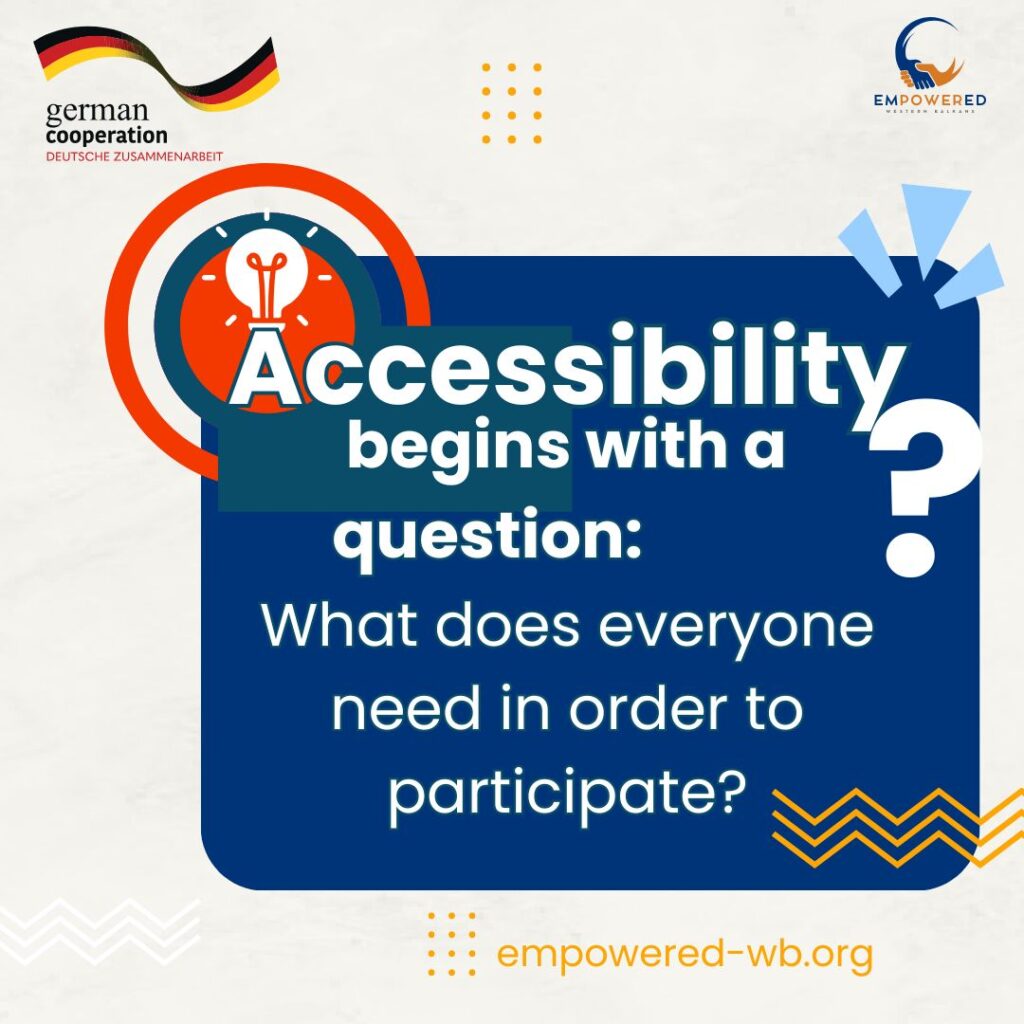
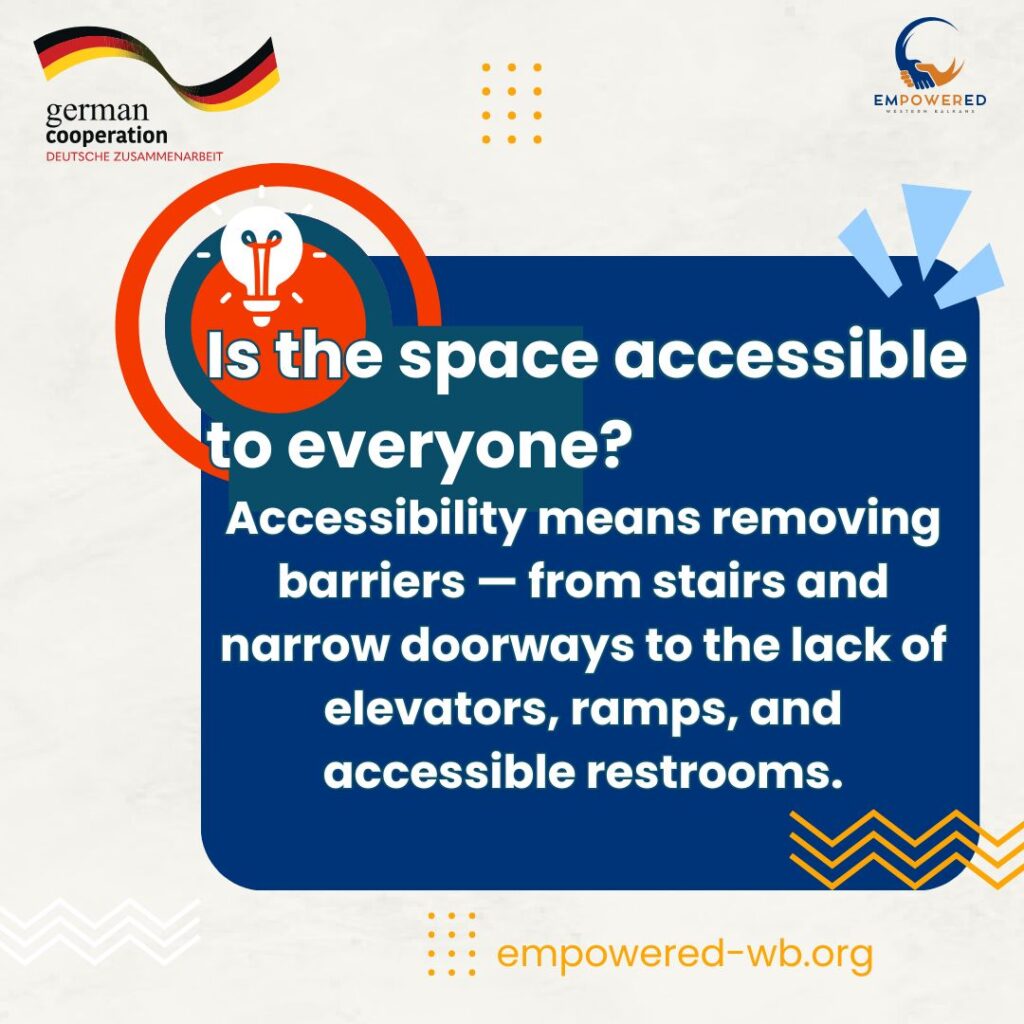
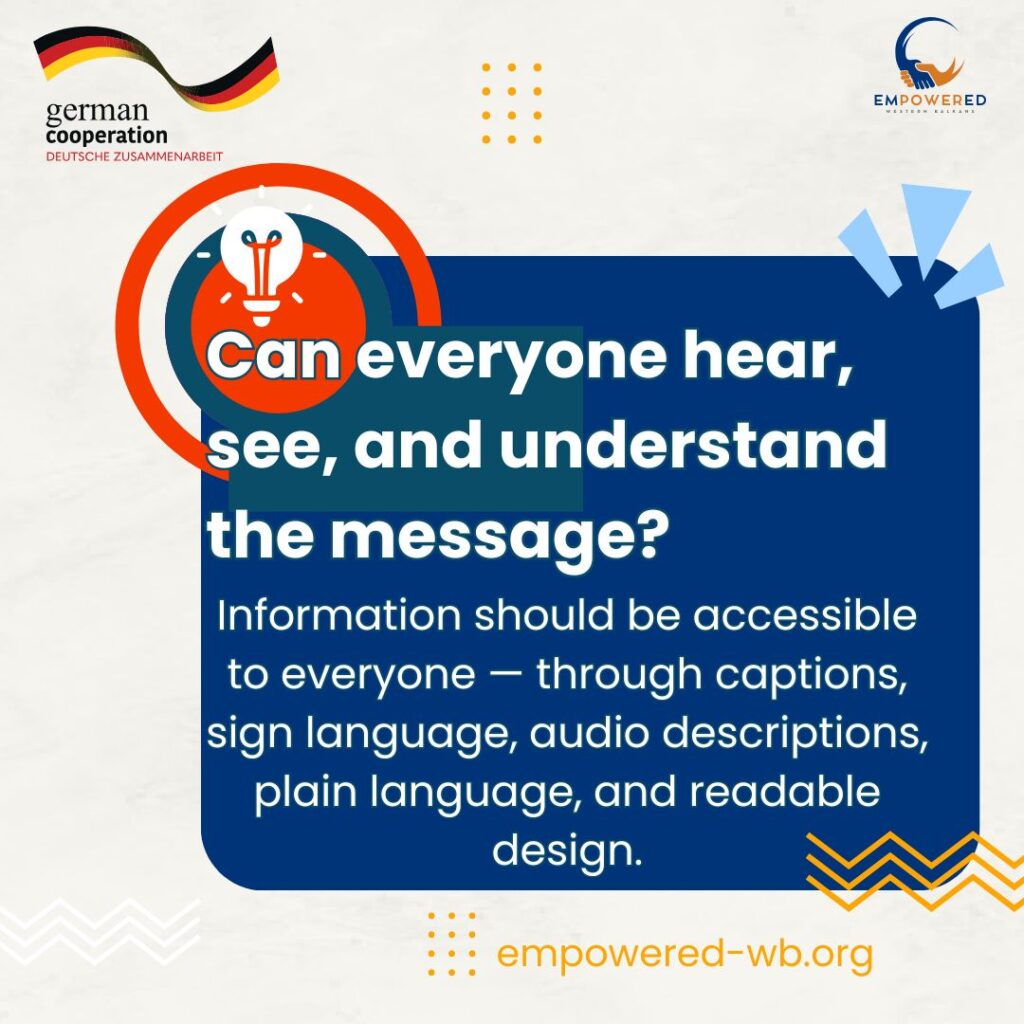
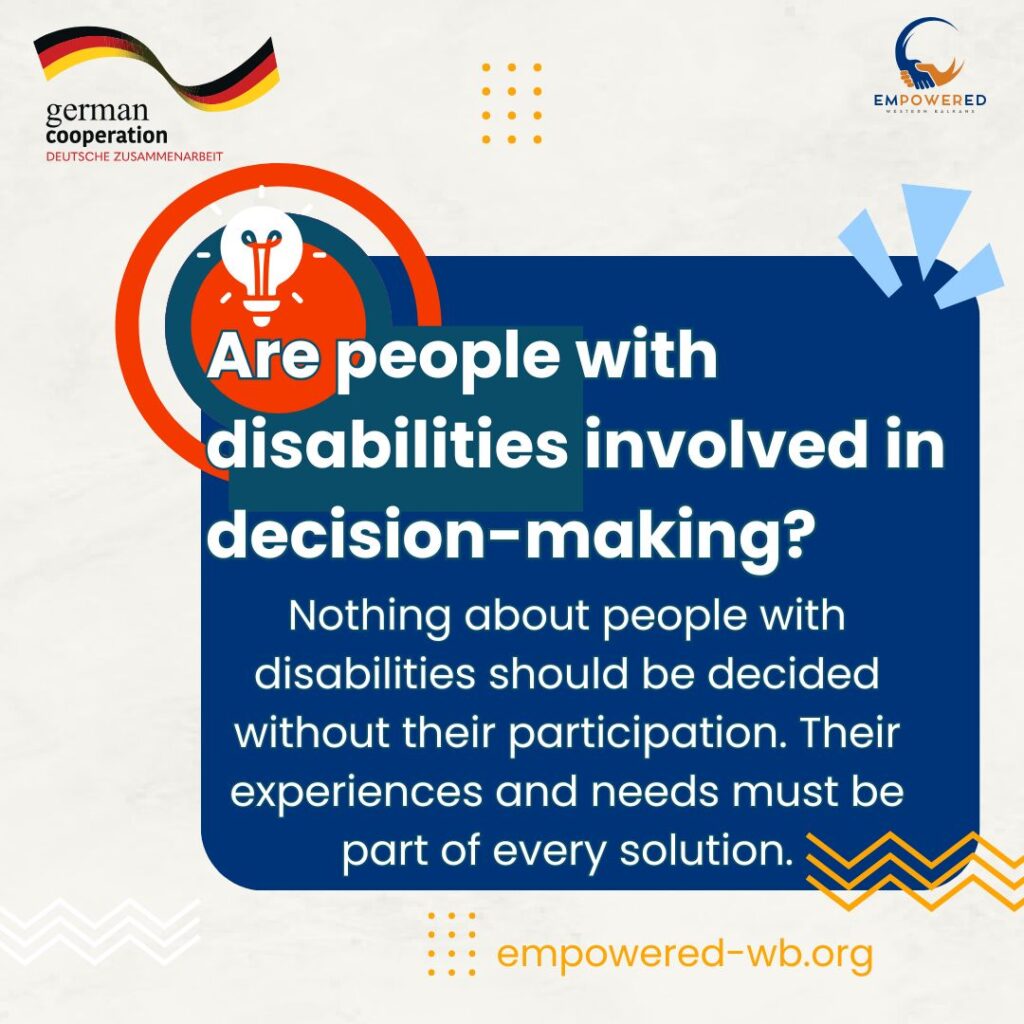
Forms of violence: recognizing what often remains invisible
An expert approach requires recognition of the wide range of forms that violence can take, many of which remain hidden:
- Systemic and institutional violence: This includes the denial of adequate healthcare, education, rehabilitation, and support, as well as the use of inappropriate disciplinary methods, such as chemical or physical restraints.
- Emotional and psychological violence: Gaslighting, humiliation, verbal abuse, and manipulation can directly undermine a child’s self-confidence, sense of identity, and autonomy.
- Economic abuse and deprivation of resources: This includes denying access to assistive technology, support services, personal aids, or other resources necessary for equal participation in society.
A Strategy for Transformation: From Awareness to Systemic Prevention
Creating a safe environment requires action at multiple levels:
- Implementing the principle of “Nothing About Us Without Us”: Children and young people with disabilities must be actively involved in designing protection policies and services. Their perspectives are essential to creating genuinely accessible and effective support mechanisms.
- Building professional capacity: Training for professionals working in social protection, education, and healthcare must go beyond general awareness. It should focus on the specific skills required to recognize signs of abuse in children with different types of disabilities and to communicate effectively with survivors.
- Creating accessible and inclusive reporting mechanisms: Systems for reporting violence must be available in different languages and formats, including Easy Read materials, Braille, and sign language. They must also guarantee confidentiality and protection from retaliation.
- Strengthening support for families: Preventing violence within the family requires continuous, system-level support for parents and caregivers, including measures that reduce stress and the economic pressures that may contribute to harmful behavior.
- Ensuring legal protection and accountability: It is essential to enforce laws protecting children’s rights and align national policies with the United Nations Convention on the Rights of Persons with Disabilities (UNCRPD).
Our mission is systemic change. The safety of children and young people with disabilities is not a matter of charity; it is a matter of fundamental human rights and legal responsibility.
Learn more about our expert approach and available resources at: empowered-wb.org