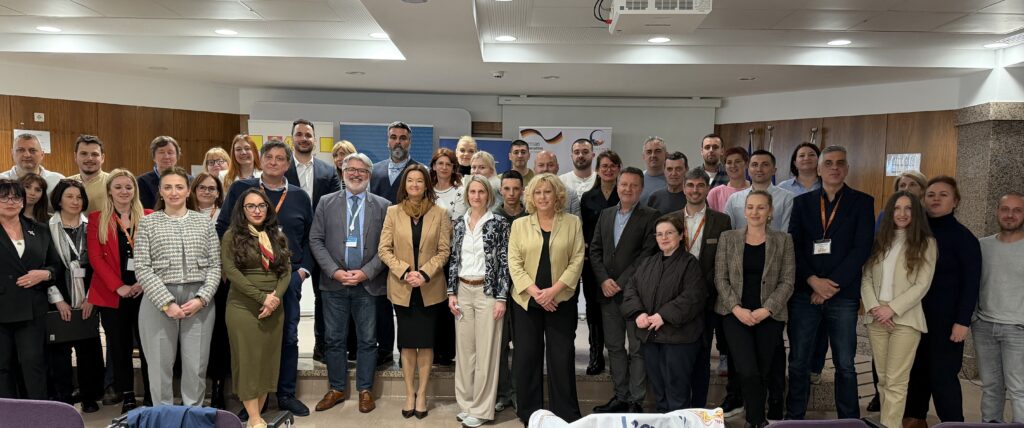
The EMPOWERED Study Visit Croatia–Slovenia 2026 brought together representatives of ministries, local governments, civil society organizations, and the private sector from across the Western Balkans, creating a valuable platform for knowledge exchange and strengthening regional cooperation in the field of inclusion of persons with disabilities.
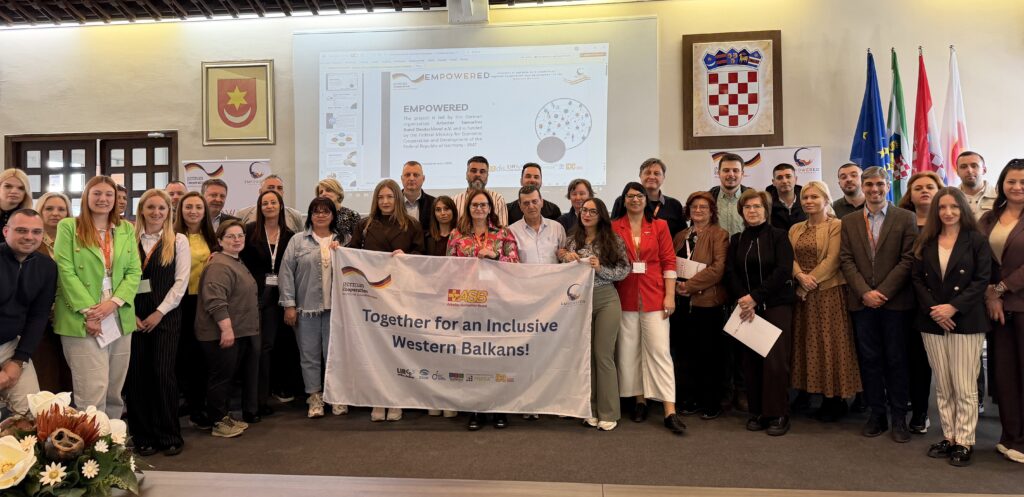
During the visit, participants explored a wide range of services and support systems in Croatia and Slovenia, combining site visits with expert presentations and discussions. A visit to the City Hall of Sveti Ivan Zelina provided insight into local policies and approaches to inclusion, followed by a visit to the Association “Srce”, where participants learned more about community-based services, supported housing, and daily support programs. Through presentations and open discussions, participants had the opportunity to better understand how these services function in practice and how they can be adapted in their own environments.
In Slovenia, the study visit continued with visits to key institutions and organizations, including the Želva and the University Rehabilitation Institute Soča, where participants were introduced to inclusive employment models, professional rehabilitation services, and the role of social enterprises in creating job opportunities for persons with disabilities. Each visit was accompanied by presentations and direct exchanges with professionals, enabling a deeper understanding of the systems in place. The overall evaluation of the study visit was very high, with an average score of 4.88, reflecting the relevance and quality of the program.
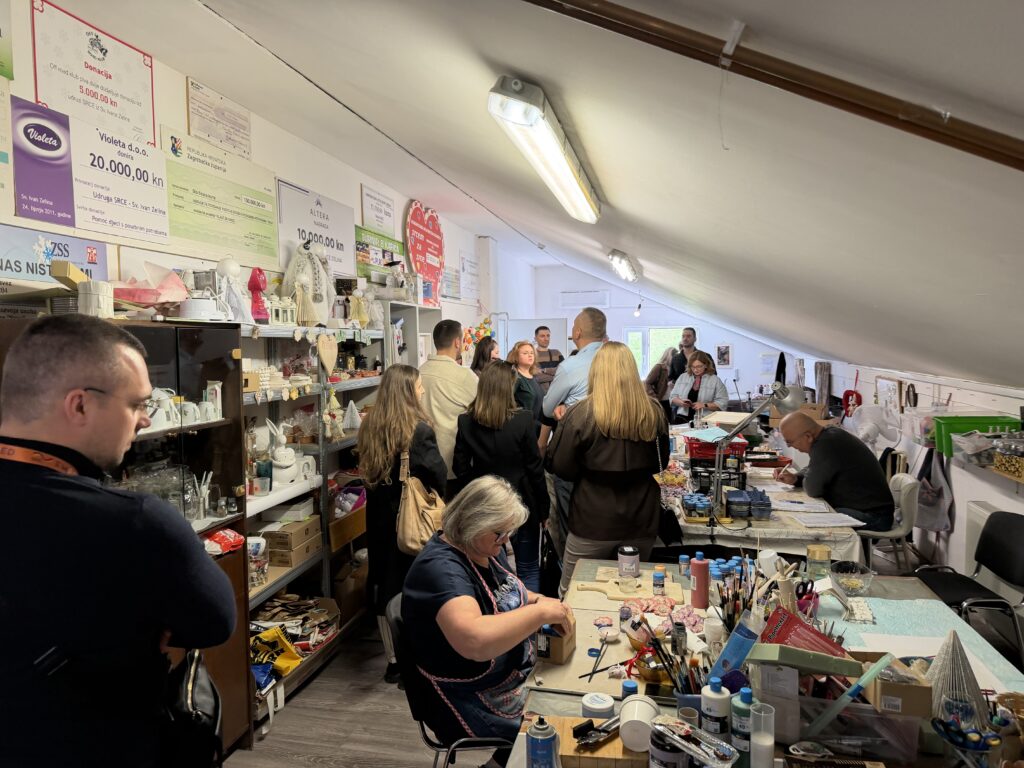
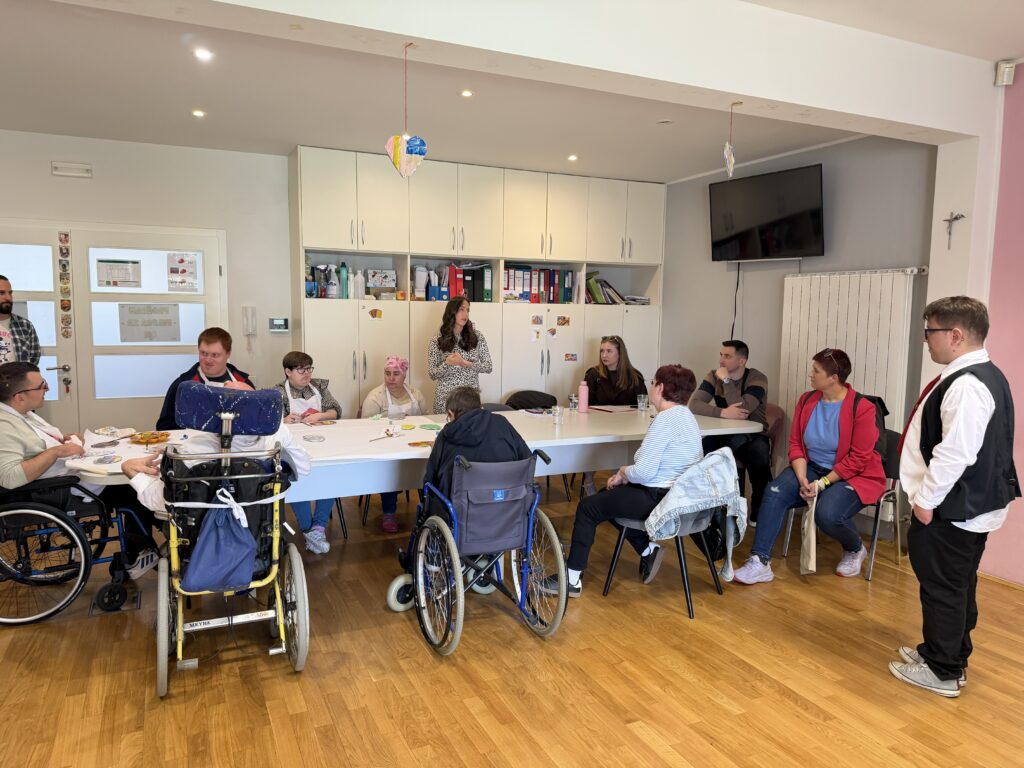
A particular value of the study visit was the opportunity for dialogue and exchange among participants. Representatives from all Western Balkan countries shared their experiences, challenges, and perspectives, while engaging with colleagues from Croatia and Slovenia. These discussions opened space for comparing legislative frameworks, institutional approaches, and practical solutions, as well as identifying opportunities for future cooperation.
A highlight of the visit was the address by Tanja Fajon, Deputy Prime Minister and Minister of Foreign and European Affairs of the Republic of Slovenia, at the University Rehabilitation Institute Soča. In her speech, she expressed strong and unequivocal support for ASB’s work in the Western Balkans, recognizing it as a key driver of inclusive development and regional cooperation. She emphasized that inclusion is “not only a policy objective, but a fundamental human right,” and underlined the importance of initiatives such as EMPOWERED in bringing concrete change to the lives of persons with disabilities.
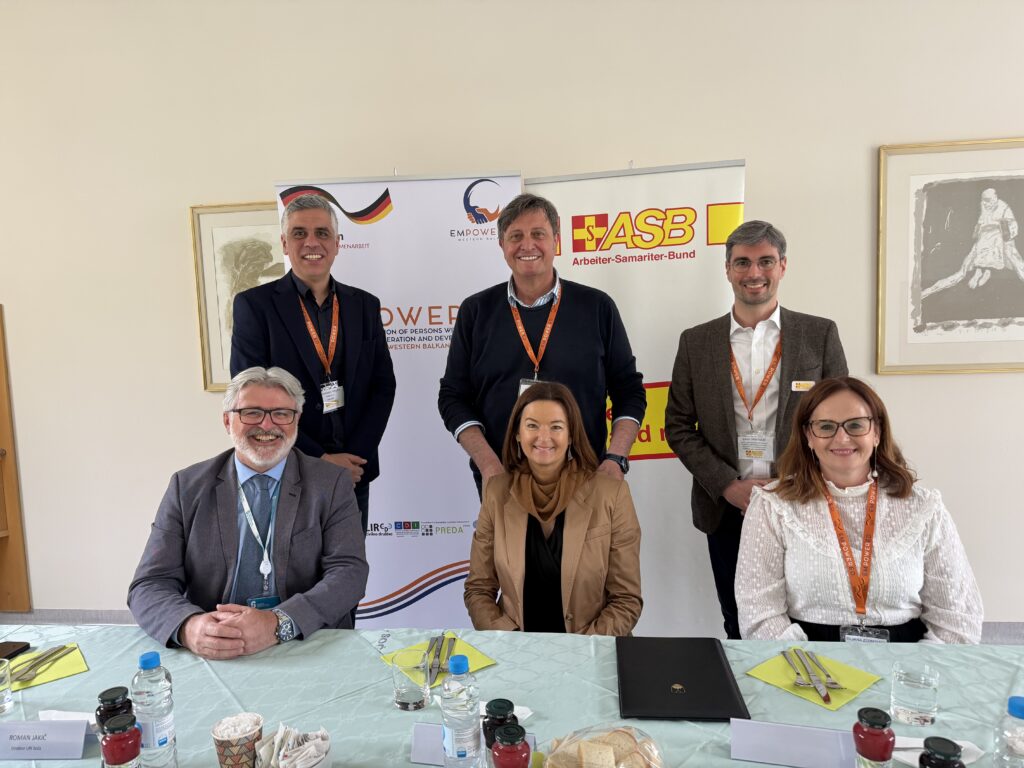
Highlighting the impact of ASB’s presence in the region, she stressed that “we are stronger when we act together — when governments, civil society, international partners, and the private sector align their efforts towards common goals,” pointing to the EMPOWERED project as a powerful example of such collaboration in action. She also reaffirmed Slovenia’s continued commitment to supporting efforts that advance inclusion, equal opportunities, and dignity for all.
The study visit once again confirmed the importance of practical learning and direct exchange. By connecting stakeholders from different sectors and countries, the EMPOWERED project continues to contribute to building more inclusive systems and advancing equal opportunities for persons with disabilities across the Western Balkans.
Organized by project partner LIR CD with the support of ASB South East Europe, and implemented in cooperation with project partners Initiative for development and cooperation (IDC), Alfa Centar Nikšić, Albanian Disability Rights Foundation (ADRF), PREDA Plus Foundation and CDI Macedonia, the EMPOWERED project, funded by the German Federal Ministry for Economic Cooperation and Development (BMZ), represents a strong example of how regional cooperation can lead to meaningful and sustainable change.